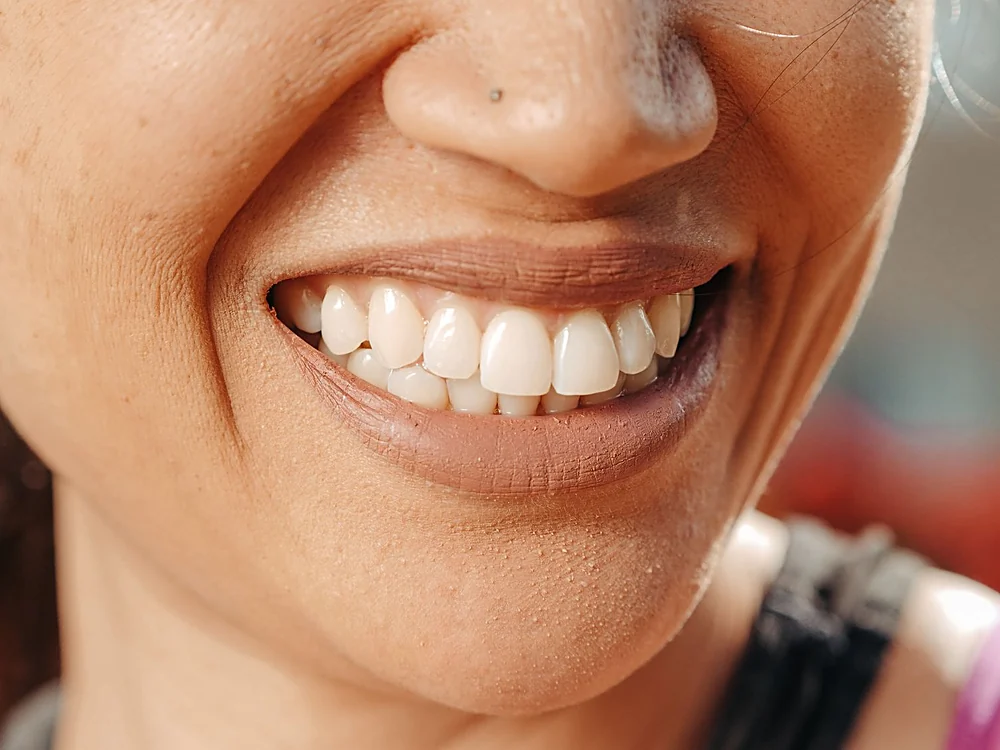
Most of us brush twice a day, floss when we remember and buy whichever mouthwash is on offer. Then a dentist mentions gum sensitivity, or a partner notices morning breath, and we start wondering whether something is missing. Oral probiotics are one of the newer answers to that question, and if you have been reading about them you have probably landed on a ProDentim review or two. Welavie keeps a full ProDentim review that sets out the strains, pricing and guarantee in one place; this post looks at something more practical: how a morning probiotic tablet actually fits into a real mouth-care routine, and what to keep doing alongside it.
What an oral probiotic is trying to do
The idea behind oral probiotics is simple. Your mouth holds a busy community of bacteria. Some of them help keep gums calm and breath neutral; others feed on sugar and produce the acids that wear down enamel. The argument made for products like ProDentim is that many people do not have too many "bad" bacteria so much as too few good ones, and that a daily dose of friendly strains can help tip the balance back.
ProDentim is a soft tablet you chew slowly each morning. According to its maker it carries 3.5 billion probiotics from three strains, alongside a small blend of plants and minerals such as inulin, malic acid and peppermint. The tablet is meant to dissolve in the mouth rather than be swallowed whole, because the goal is to reach the teeth and gums, not the gut.
That design detail matters for your routine. If you chew the tablet and then immediately rinse with a strong antiseptic mouthwash, you may be working against the very bacteria you just introduced. Timing is where most people get the habit wrong.
A simple morning order that makes sense
There is no single official sequence, but a common-sense order looks like this:
- Brush first. Clean teeth and remove the overnight film before anything else.
- Floss or use interdental brushes. This is still the part most people skip, and no supplement replaces it.
- Wait a few minutes after any mouthwash. If you use one, give it time before the tablet, or move the mouthwash to the evening.
- Chew the tablet slowly. Let it dissolve fully rather than crunching and swallowing.
- Skip food and drink for a short while. Give the strains a little time in the mouth before breakfast.
Written out, it looks fussy. In practice it adds perhaps two minutes to a routine you already have.
Coffee, breakfast and your enamel
For many people the first thing after brushing is coffee. Coffee itself is acidic and, taken with sugar, gives oral bacteria an easy meal. You do not need to give it up, but it helps to drink it with or after food rather than sipping slowly over two hours, and to rinse with plain water afterwards.
If you are one of the many readers who also add something to their morning cup, it is worth reading the label of that product just as carefully as you read the probiotic's. Some readers ask us about coffee add-ins for metabolism, and the honest answer is that independent reviews of Java Burn are a better starting point than marketing copy, because they lay out what is in the serum, how it is used and what the refund terms are.
The broader point is that a mouth-care routine does not live in isolation. What you drink, when you eat and how often you snack all shape the environment your oral bacteria live in.
Night-time habits matter as much as the morning
Dry mouth overnight is one of the less discussed reasons for morning breath. When saliva flow drops during sleep, bacteria have an easier time, and people who breathe through their mouth or wake repeatedly in the small hours often notice it most. A glass of water by the bed, a humidifier in a dry room and avoiding late sugary snacks all help.
Poor sleep and oral health are linked in more ways than most people realise. Broken nights can mean more grazing, more caffeine the next day and less patience for a proper evening routine. If you are working on your sleep as well, Welavie has also looked at a supplement aimed at deeper sleep and the specific 3 a.m. wake-up pattern it targets; as with any product, read the ingredient list and talk to a professional if sleep problems are persistent.
Back in the bathroom, the evening routine should be your most thorough one: brush for a full two minutes, clean between the teeth and avoid eating afterwards.
Reading reviews and complaints sensibly
Any popular product collects both praise and complaints, and oral probiotics are no exception. Complaints usually fall into a few groups: delivery delays, expectations that were set too high, confusion about refunds, and people who stopped after a week. If you want to see how those complaints break down, this look at what ProDentim buyers report and how to read it is a useful companion piece.
It also helps to know how to read reviews in general. Star ratings tell you very little on their own. Look for reviews that mention how long the person used the product, what else they changed in their routine and whether they actually tried the guarantee. A good primer on that skill is this guide on how to read supplement reviews without getting misled.
How long before you can judge it
Oral bacteria do not rebalance overnight. Most makers of oral probiotics suggest several weeks of daily use before deciding, and ProDentim is sold with a 60-day money-back guarantee, which gives you a reasonable window. A fair trial looks like this:
- Use it every morning for at least six to eight weeks, not on and off.
- Keep the rest of your routine steady so you know what changed.
- Note specific things: morning breath, gum bleeding when you floss, how your mouth feels by mid-afternoon.
- Keep your receipt and the order details so you can use the guarantee if it is not for you.
Some people notice fresher breath fairly early. Others notice nothing they can point to. Both outcomes are normal, and that is exactly why the refund window exists.
Who should check with a dentist first
A probiotic tablet is a support, not a treatment. If you have bleeding gums that do not settle, a loose tooth, persistent bad breath despite good hygiene, pain or swelling, see a dentist before trying any supplement. The same applies if you are pregnant, have a weakened immune system or take regular medication. Probiotics are generally well tolerated, but your dentist knows your mouth and your history.
The short version
An oral probiotic can be a sensible addition to a routine that already includes proper brushing, flossing and regular check-ups. Chew it slowly in the morning, keep strong mouthwash away from it, watch your coffee and snacking habits, give it a fair few weeks and judge it on specific changes rather than a vague feeling. The night-time side of oral health depends on a steady evening routine and decent sleep. If poor sleep is part of your picture, this earlier Yu Sleep reviews and buyer guide is worth reading too.
If you have questions about any of the products mentioned here, or want help comparing your options, you can contact the Welavie team and they will point you to the right information.
This article is for general information only and is not dental or medical advice. Speak with your dentist or doctor before starting any supplement.